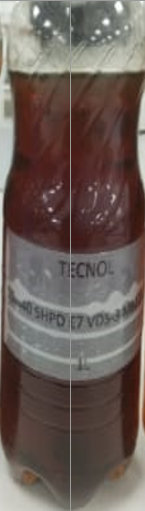
Technical Conclusion:
This technical conclusion highlights the non-conformance of the 15W-40 oil concerning its Viscosity Index and after-shear viscosity.
Viscosity Index (VI):
Definition: The Viscosity Index is a measure of how much a lubricant’s viscosity changes with temperature. A higher VI indicates that the oil maintains a more
consistent viscosity across a range of temperatures, which is crucial for effective lubrication in varying operating conditions.
After Shear Viscosity:
Definition: After shear viscosity refers to the change in the oil’s viscosity after it has been subjected to mechanical shear, high temperature, and pressure
conditions. This test simulates the oil’s performance in an engine over time. Significant viscosity loss indicates that the oil may not provide adequate
protection under prolonged or severe operating conditions.
Analysis:
The tested 15W-40 oil exhibited nonconformance in both the Viscosity Index and after-shear viscosity measurements. These deficiencies suggest
that the oil may not behave as expected across different temperatures and could experience significant viscosity breakdown under stress. This behaviour
could lead to reduced lubrication efficiency, increased engine wear, and potential engine damage under certain operating conditions.
Conclusion:
Based on these findings, the 15W-40 oil fails to meet the requirements to be classified as SAE 15W-40 due to its nonconformance with after-shear viscosity
standards. Addressing these issues is essential to ensure that the oil meets both performance expectations and regulatory compliance.
This technical assessment underscores the importance of adhering to specified parameters to maintain optimal engine performance, efficiency, and
longevity. Ensuring that the oil performs consistently under various conditions is critical to preventing engine wear and ensuring the long-term reliability of the
engine.