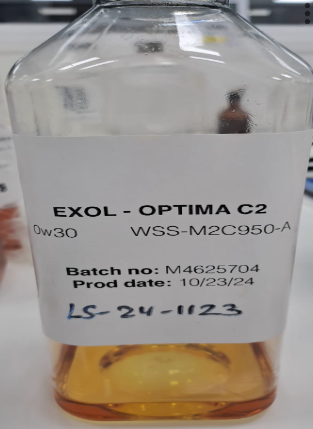
Technical Conclusion:
The oil does not meet the required specifications for sulfate ash and phosphorus content. The measured sulfate ash content is 0.8156%, exceeding the maximum allowable limit of 0.8%. Additionally, the phosphorus content is 0.065%, which falls below the minimum requirement of 0.07%. These discrepancies indicate non-compliance with the standards set by ACEA C2, FORD WSS-M2C950-A, and JAGUAR LAND ROVER STJLR.03.5007.
Why This Is Important:
- Sulfate Ash: Exceeding the maximum sulfate ash content can lead to increased deposits in critical engine and exhaust components, such as the Diesel Particulate Filter (DPF) and catalytic converters. These deposits can cause blockages, reduce exhaust system efficiency, and lead to increased emissions, potentially resulting in costly repairs and maintenance.
- Phosphorus: Insufficient phosphorus content diminishes the oil’s protective capabilities against engine wear, as phosphorus serves as an essential anti-wear additive. Low phosphorus levels can accelerate engine wear and reduce durability, particularly under high-stress conditions.
Consequences of Non-Compliance:
The non-compliance with these critical specifications can compromise vehicle performance, increase maintenance costs, and potentially void warranties related to the engine and emissions systems. It is essential to ensure that the oil used meets the specified requirements to mitigate these risks and ensure the longevity of the vehicle’s components.