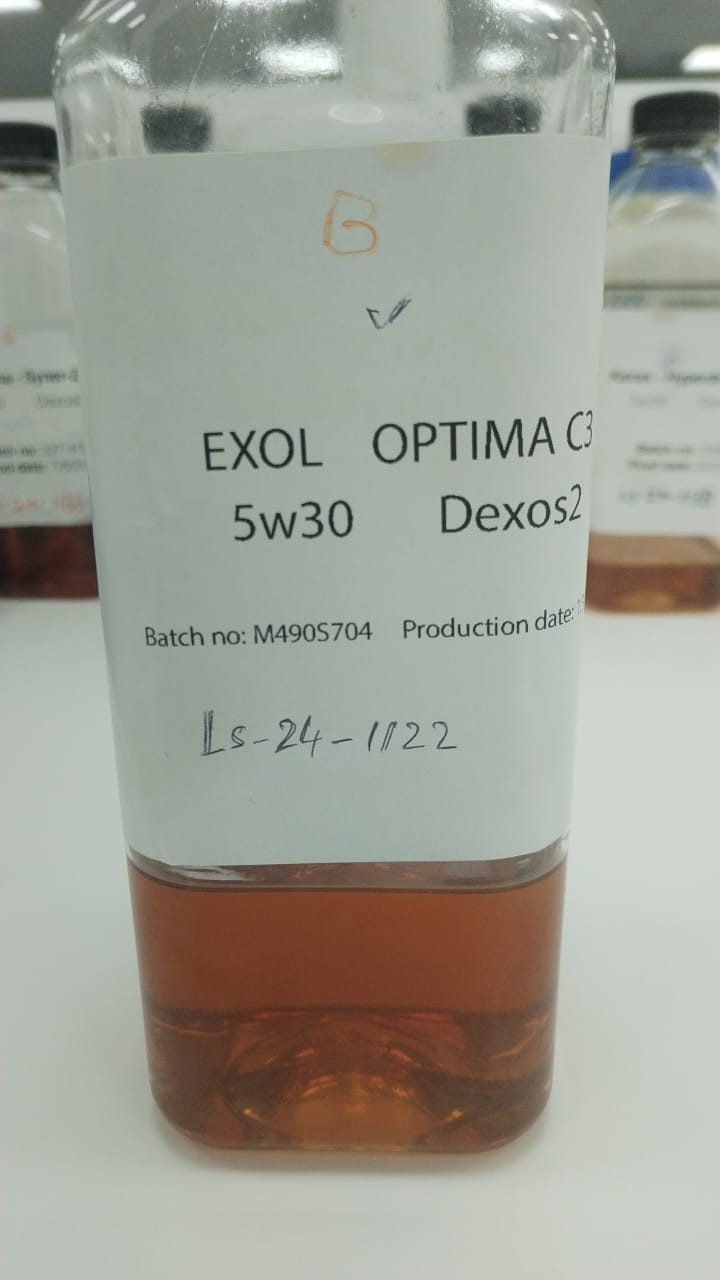
Technical Conclusion:
The oil fails to meet the required specifications for sulfate ash content, with an actual measurement of 0.8097%, exceeding the maximum allowable limit of 0.8% for standards such as ACEA C2, C3, API SN, GM dexos2, MERCEDES-BENZ MB-APPROVAL 229.52, 229.51, 229.31, and PSA B71 2290. This non-compliance is significant due to the potential implications of elevated sulfate ash levels.
Why This Is Important:
- Sulfate Ash Composition: Sulfate ash consists primarily of metallic compounds that remain after oil combustion and do not burn off. Excessive levels can accumulate and form deposits in critical engine components, particularly within the exhaust system.
- Consequences of High Sulfate Ash Levels:
- Engine and Exhaust System Deposits: Elevated sulfate ash can lead to the formation of deposits in the combustion chamber, on valves, and throughout the exhaust system, resulting in reduced engine efficiency and potential mechanical damage.
- Reduced Functionality of Emission Control Devices: Increased ash levels can block or damage components like the Diesel Particulate Filter (DPF), essential for minimizing harmful emissions. This degradation can lead to higher pollutant emissions and a compromised emission control system.
- Increased Maintenance Costs: Blockages or damage to the DPF or catalytic converters from excessive ash deposits often necessitate costly repairs or replacements, resulting in more frequent maintenance intervals for cleaning or replacing these components.
- Potential Impact on Vehicle Warranty: Many manufacturers enforce strict oil standard requirements, and failing to meet these specifications could void warranties on key components such as the engine and exhaust system.
Consequences of Non-Compliance:
Using oil that exceeds the sulfate ash limit can lead to reduced fuel economy, increased emissions, loss of engine power, and potential long-term damage to both the engine and emission control systems. This non-compliance may also result in regulatory failures during emissions testing, particularly in regions with stringent environmental regulations. Therefore, it is imperative to ensure that the oil used adheres to the prescribed limits to maintain optimal performance, prevent costly repairs, and comply with environmental